COLLECTOR · ARTIST · CULTURAL PATRON
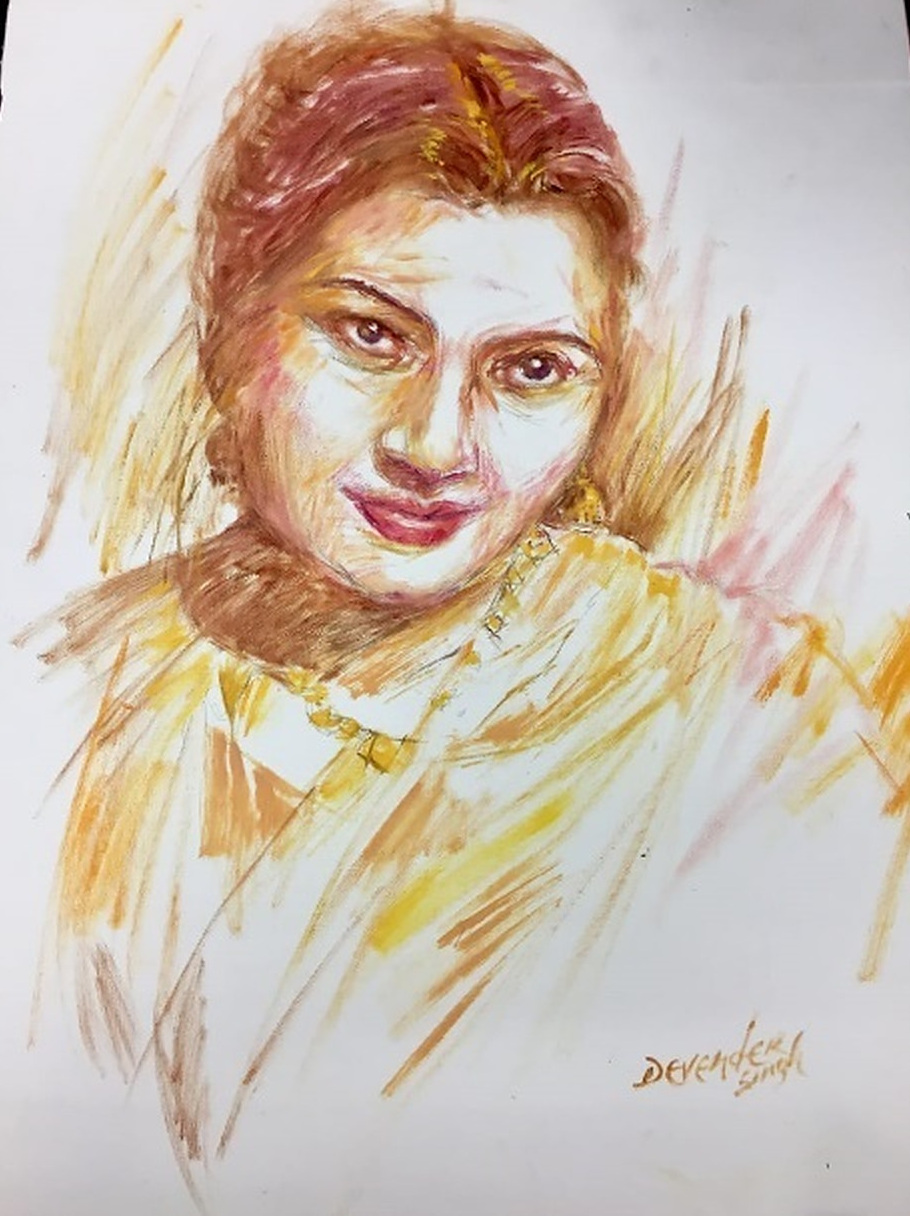
Satinder Kaur Kapany
Born in Punjab in 1928, Satinder came to the United States with her husband in the 1950s and worked there as a real estate professional. She helped shape the Kapany Collection through her own devotion to Sikh art, literature and spiritual life. A painter as well as a collector, she made a series of works following the Baramaha, the twelve month compositions of the Guru Granth Sahib.
She sat on the editorial board of Sikh Sansar, the journal the Foundation published through the 1970s, and in December 1975 edited its special issue on Sikh women, timed to United Nations Women’s Year. Among the works she returned to most often were George Richmond’s portrait of Maharani Jind Kaur and the Maharani’s jewellery.
The Satinder Kaur Kapany Gallery of Sikh Art at San Francisco’s Asian Art Museum carries her name. It opened with a gift of roughly one hundred works from the collection, and the museum describes it as the first permanent gallery given to Sikh art in a major museum in the Americas. She died in 2016.
COLLECTOR · INNOVATOR · CULTURAL PATRON
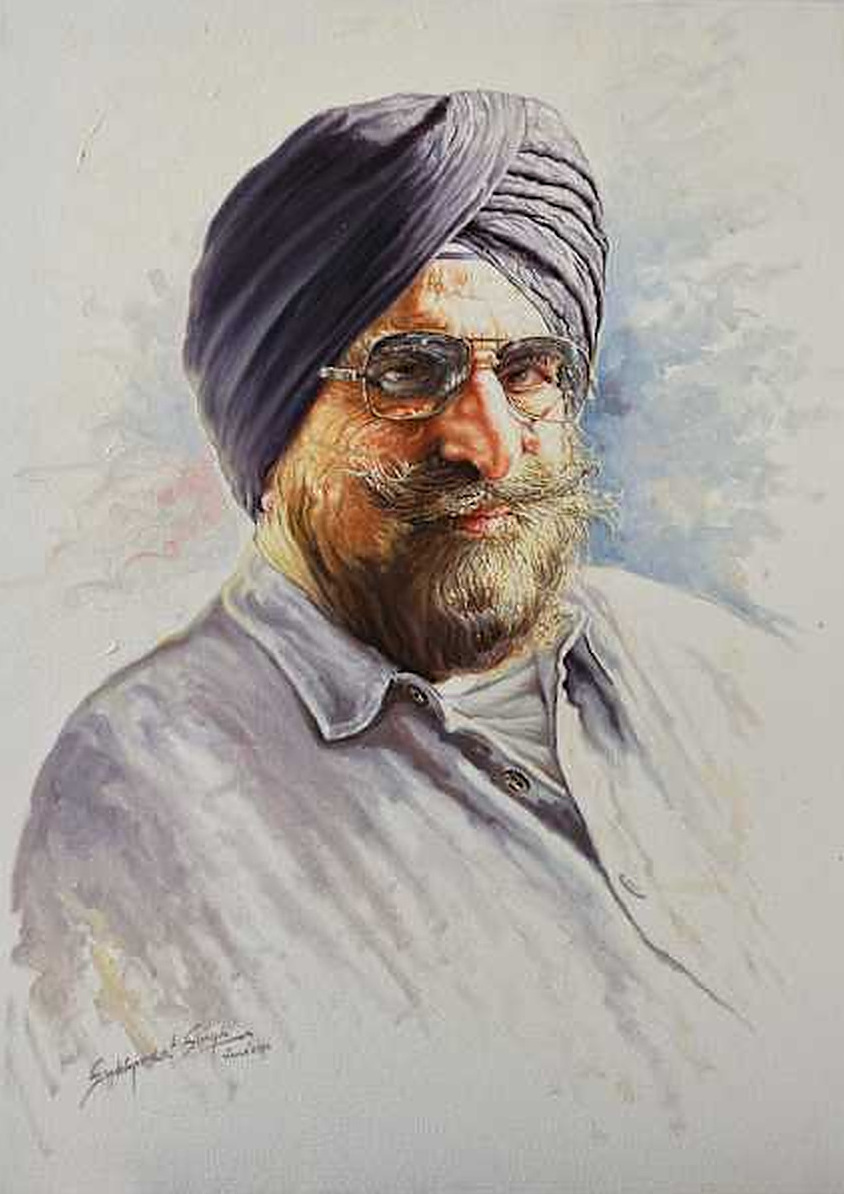
Narinder Singh Kapany
Narinder was born in Moga, Punjab, in 1926, studied at Agra University, and went to Imperial College London in 1952 to work under the optics researcher Harold Hopkins. In 1953 the two of them sent an image along a bundle of glass fibres, and published the result in Nature the following year. Writing in Scientific American in 1960, he gave the field the name it still carries.
In California he founded three companies, held more than a hundred patents, and taught at Berkeley and at UC Santa Cruz. Fortune named him one of seven unsung heroes in its Businessmen of the Century issue in 1999. India conferred the Padma Vibhushan on him in 2021, the year after his death.
Alongside that work he spent decades collecting, studying and sharing Sikh art. Paintings, textiles, manuscripts and objects of sovereignty became a way to bring a dispersed heritage into conversation with the wider world. Works from the collection went to London in 1999 for Arts of the Sikh Kingdoms at the Victoria and Albert Museum.